by TRES SMITH and ALEX ZHANG-SIEGER
What the rest of the United States calls a drizzle, we call rain here in California. Meteorologists predicted an average amount of rainfall this year–not excessively dry or wet because neither El Niño or La Niña are in season. Over the past few months, however, California’s unforeseen drizzle has failed to catch the attention of America’s weather experts.
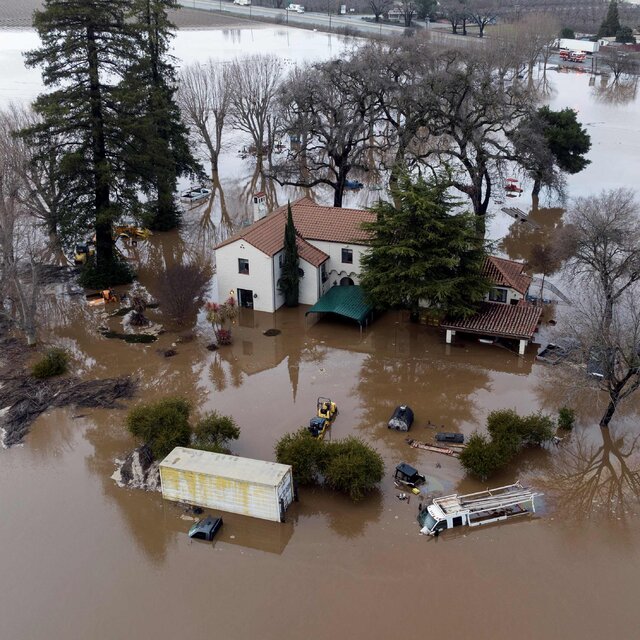
In Los Angeles, the average rainfall for January is three inches. This year, Los Angeles reached a 25-year record of nine inches of rain for the month. As a result of this unexpected precipitation, many cities and counties have been experiencing major flooding and landslides. Nearly 100,000 residents in California were told to evacuate–or prepare for evacuation–due to the rain.
Although we can’t control when and where it rains, one way we can reduce the effects of rain in urban areas is through the use of porous asphalt. With proper maintenance, porous asphalt allows as much as 70% of rainwater to percolate into soil instead of flowing along streets and picking up toxins that eventually reach the ocean through the sewage system. Porous asphalt has become relatively affordable in recent years, thus the price for paving porous asphalt driveways is on par with a concrete driveway.
“Ultimately, what determines whether or not we’re going to be dry or wet has to
do with atmospheric rivers and where they’re headed,” explained Tori Fay, Chadwick’s Sustainability Coordinator and AP Environmental Science teacher. Atmospheric rivers, such as the Pineapple Express (which originated in Hawaii), are narrow sections of the atmosphere that carry water vapor throughout the outside of the tropics. Most years, moisture from the Hawaiian Islands doesn’t reach the West Coast. But this year it has led to substantially higher amounts of rain.
Fay warns her students about the effects of urban runoff: “Sometimes they stop
treating the water, and flush the sewage right out into the ocean to keep the plants from flooding.
“Because of flooding, a number of beaches in Santa Monica Bay are closed due to
the bacterial load. Every time you get rain, our street washes away everything, including fertilizers, dog poop and car oil.”
But what may come as a curse for our oceans comes as a blessing for farmers. Mathew Boeck owns Rancho Organica, a farm in northern San Diego. The San Diego area usually gets very little rain. This January, it received six inches–three times more than usual. Boeck explained that the yield from his avocado and persimmon trees, and rose bushes, increased substantially due to the rain.
Boeck used to operate a farm in Santa Barbara, but he moved his operations due to the common yearly flooding in the area. Just this year, Santa Barbara received 25 inches of rain in January alone. Clearly, Boeck made the right call to move to San Diego. If he hadn’t, his crops might have washed away.
Good news: The rain in January has brought the valley from a “severe drought” to a “moderate drought.” If this trend of rainfall continues for another year, we might finally end the three-year drought. Although the rain has been a nice change of pace, too much rain can sometimes be worse than no rain at all.
 The Mainsheet